Farm to Table Embroidery Review
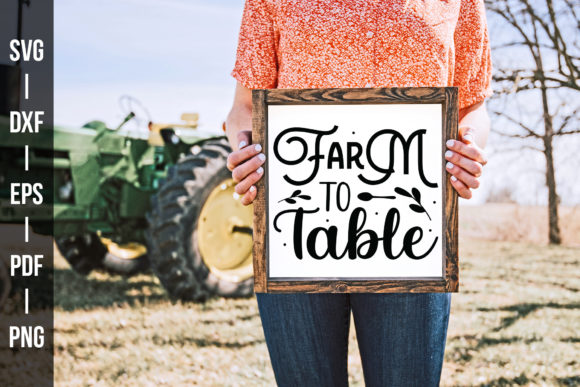
As a designer who spends more time troubleshooting stitch paths than actually enjoying the final product, I approach every new file with a healthy dose of skepticism. The market is flooded with generic clip art disguised as embroidery designs, and too often, what looks charming on a screen turns into a tangled mess under the needle. That is why when I encountered Farm to Table - Farmhouse SVG Cut File, I didn’t just look at the preview image; I looked at the structural integrity of the design and asked myself: would this hold up in a real-world application?
The short answer is yes, but with specific caveats that every serious crafter or small business owner needs to know before committing to production. This isn’t just another decorative element; it is a statement piece that relies heavily on typography and layout balance. Let’s break down how this design performs when moved from a digital mockup to a physical embroidered product.
First Impressions and Visual Personality
The immediate appeal of this design lies in its rustic charm. The "Farm to Table" concept is timeless, but execution varies wildly. Some designs lean too heavily into cliché, resulting in cluttered compositions that lose their impact when stitched. This particular file strikes a better balance. It feels grounded and authentic, evoking the warmth of a countryside kitchen without feeling dated.
From a visual standpoint, the layout is clean. The quote serves as the anchor, surrounded by elements that suggest harvest, freshness, and home. For an embroidery project, clarity is king. If the eye doesn’t know where to land within the first two seconds, the design has failed. Here, the hierarchy is logical. The text is legible, and the accompanying graphics—likely leaves, vegetables, or rustic borders depending on the specific variation—frame the message rather than compete with it. This makes it exceptionally versatile for custom apparel and home decor.
However, we must remember that this is listed as an SVG cut file. While many modern machines can handle complex vector-to-embroidery conversions, the quality of the digitization is paramount. A raw SVG converted poorly will result in jagged edges and unnecessary thread breaks. Assuming this file has been properly prepared for machine embroidery, the potential for a high-end finish is significant. It bridges the gap between a simple logo and a detailed artistic piece.
Real-World Application: Where Does It Shine?
I evaluated this design through the lens of several common use cases, specifically focusing on items that sell well in craft markets and online shops. The versatility of Farm to Table - Farmhouse SVG Cut File allows it to adapt to various mediums, but some applications are stronger than others.
- Kitchen Linens: This is perhaps the strongest use case. Embroidering this onto a flour sack towel, a heavy-duty apron, or a quilted tea towel creates an instant connection with the user. The farmhouse aesthetic pairs naturally with cotton and linen fabrics. When stitching on these materials, the design holds its shape well, provided you use the correct stabilizer.
- Tote Bags: A canvas tote bag featuring this design is a staple for any boutique. The sturdy fabric supports the weight of the stitches, and the rustic theme complements the utilitarian nature of the bag. It works beautifully as a personalized gift for farmers' market enthusiasts or cooking instructors.
- Baby and Nursery Items: There is a growing trend toward gender-neutral, nature-inspired nursery decor. This design fits perfectly on a baby bodysuit, a burp cloth, or a blanket. The soft imagery translates well to softer threads, creating a gentle, heirloom-quality feel.
- Holiday and Seasonal Gifts: Because the theme revolves around harvest and home, it resonates strongly during autumn holidays like Thanksgiving. It also serves as a thoughtful housewarming gift, appealing to anyone who values homemade meals and domestic comfort.
Technical Considerations and Potential Pitfalls
While the design is visually appealing, no embroidery project is without its technical challenges. As a reviewer, I must highlight areas where caution is required to ensure a professional outcome.
Stitch Density and Hoop Size: Before running this design, you must verify the stitch density. If the fill stitches are too dense, the fabric may pucker, especially on lighter materials like thin cotton tees or delicate linens. Conversely, if the design is too sparse, it may lack presence on larger garments like sweatshirts. Always test the hoop size compatibility. If your machine’s hoop is smaller than the design dimensions, you will need to split the design or choose a different placement, which can disrupt the visual flow.
Text Legibility: Typography in embroidery is unforgiving. Small details in the lettering can get lost if the thread color lacks sufficient contrast against the fabric. I strongly recommend testing this design in black and white mockups first. This helps isolate whether the shape and spacing work independently of color. On dark fabrics, light threads might require a backing layer to prevent show-through, while on light fabrics, dark threads might need a jump-stitch cleanup to avoid loose ends.
Fabric Texture: The success of this design is heavily dependent on the substrate. Smooth fabrics like polyester blends or tightly woven cottons will yield the crispest results. Avoid using this design on highly textured fabrics, such as chunky knits or bouclé wool, unless you are an advanced user comfortable with extensive stabilization and tension adjustments. The texture of the fabric can obscure the fine details of the quote and surrounding graphics.
Material and Stabilizer Recommendations
To achieve the best results with Farm to Table - Farmhouse SVG Cut File, consider the following material pairings:
- Heavy Cotton Canvas: Ideal for tote bags and aprons. Use a cut-away stabilizer to provide long-term support, especially if the item will be washed frequently.
- Flour Sack Towels: These lightweight cottons benefit from a tear-away stabilizer. Be careful not to over-stabilize, as it can make the towel stiff.
- Jersey Knits: For t-shirts and baby clothes, a water-soluble or wash-away stabilizer is often preferred to maintain the softness of the garment. However, ensure the design does not have excessive stretch requirements.
Commercial Viability and Branding
For Etsy sellers and small shop owners, the question is always: will this sell? The "farmhouse" aesthetic remains a top performer in the handmade market, particularly among demographics interested in slow living, gardening, and organic food. This design taps directly into that desire for authenticity.
However, commercial viability depends on presentation. A poorly executed embroidery job can damage brand reputation faster than a bad product description. Ensure that your finished product looks polished. Trim all loose threads, press the fabric carefully (avoiding direct heat on the stitches), and present it in packaging that reflects the rustic, high-quality nature of the design.
Additionally, check the licensing terms associated with the file. Even if the design is purchased for personal use, selling finished products often requires a commercial license. Make sure you are compliant to protect your business. Also, consider how this design fits into your broader brand identity. Does it align with your other offerings? Consistency in style helps build customer trust and recognition.
Final Verdict
Farm to Table - Farmhouse SVG Cut File is a solid addition to any embroiderer’s library, particularly those focused on home goods and lifestyle products. It offers a blend of readability, thematic relevance, and aesthetic charm that translates well to physical media. While it requires standard due diligence regarding stitch density, fabric choice, and stabilization, the payoff is a professional-looking product that resonates with customers.
It is not a one-size-fits-all solution, nor should it be treated as such. Treat it as a tool in your creative arsenal, used strategically for projects where rustic elegance is desired. Test it thoroughly, respect the limitations of your machine and materials, and you will likely find that this design elevates your handmade products from simple crafts to desirable commodities.
In the world of Crafts and Graphics, finding a design that balances beauty with practicality is rare. This file succeeds in doing both, making it a worthy investment for designers looking to expand their repertoire with meaningful, marketable content.