Red White Blessed SVG Review
As a designer who spends more time than I care to admit staring at stitch lines and fabric grain, I approach every new embroidery file with a healthy dose of skepticism. The market is flooded with generic patriotic graphics, so finding something that actually translates well from screen to needle is rare. That is why I decided to put the Red White Blessed SVG, 4th of July SVG through its paces. This isn’t just about whether it looks good in a preview window; it is about whether it holds up when you are stitching a rush order for a client or creating a unique piece for your own craft business.
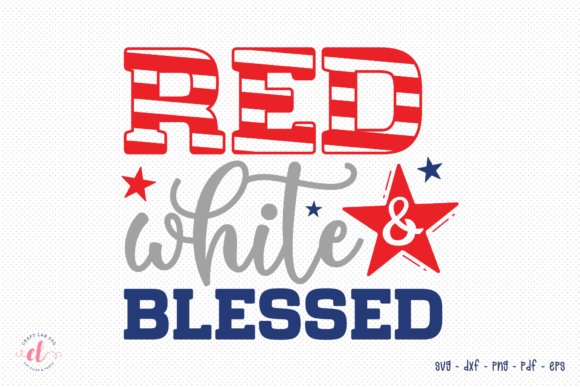
The design features a bold quote surrounded by thematic elements, presented in two distinct colorways: a classic red-and-white version and a striking black variant. For an Etsy seller or small shop owner, having these two options right out of the gate is a significant value add. It allows you to target different aesthetics without needing to redraw or trace vectors yourself. But does the execution match the promise? Let’s dive into the practical realities of using this machine embroidery design in real-world projects.
First Impressions and Visual Personality
When I first loaded the Red White Blessed SVG, 4th of July SVG into my digitizing software, the layout felt balanced. Too many holiday designs suffer from clutter—too many stars, stripes, and text competing for attention. This design manages to keep the focus on the central message while still feeling festive. The visual personality is crisp and modern, which makes it versatile. It doesn’t scream "loud party" as much as it whispers "thoughtful celebration."
This subtlety is crucial for high-end custom apparel. If you are making boutique items for customers who want to celebrate Independence Day without looking like they are wearing a costume, this design fits perfectly. The clean lines suggest that the underlying digitization likely prioritizes clarity over excessive detail, which is a good sign for stitch stability. However, always remember that a vector preview can be deceiving. The true test lies in how the satin stitch handles curves and how the fill stitch covers area.
Real-World Application: The Tote Bag Scenario
To truly evaluate this design, I imagined a specific use case: creating a set of custom embroidered tote bags for a local farmers' market pop-up. Tote bags are a staple for any handmade product line, but they present unique challenges. The canvas fabric can be thick, and the surface is often uneven compared to knit fabrics used in sweatshirt embroidery.
Using the white version of the Red White Blessed SVG, 4th of July SVG on a natural canvas bag would create a subtle, tonal look if stitched in off-white thread, or a sharp contrast if stitched in navy. The black version, however, offers a sleek, urban aesthetic that appeals to a younger demographic. When I visualize the finished product, the design sits well in the center chest or upper quadrant of the bag. It feels substantial enough to justify a higher price point, adding perceived value to the finished product. Customers are more likely to trust a brand that uses cohesive, professional-looking design assets rather than amateurish placements.
Performance on Different Fabrics and Garments
Not all fabrics play nice with every embroidery project. Here is where my experience as a reviewer comes into play. The Red White Blessed SVG, 4th of July SVG appears to have moderate density, which is generally safe for most stable knits and wovens.
- Sweatshirts and Hoodies: This is arguably the best use case. The heavy cotton blend provides a perfect foundation for the design. The black version on a grey heather sweatshirt would look incredibly stylish, appealing to those who prefer muted patriotism over bright reds.
- T-Shirts: Use caution here. Lightweight jersey can pucker if the stitch density is too high. Always use a tear-away stabilizer and ensure the hoop size is sufficient to prevent distortion.
- Baby Embroidery: For onesies or bibs, the smaller details must be legible. If the lettering in the quote is too thin, it may disappear after washing. I recommend testing the smallest strokes on scrap fabric first.
- Applique Design Potential: While primarily a direct stitch design, the bold shapes could theoretically be adapted for an applique design if you are looking to add texture. However, sticking to standard stitching will yield a cleaner, more professional result for mass production.
Where to Exercise Caution
Even a great design has its limits. There are several scenarios where the Red White Blessed SVG, 4th of July SVG might struggle:
- Small Hoop Sizes: If you are working with a compact hoop (under 4x4 inches), fine details in the text or decorative accents may merge together. The resolution of the stitches becomes critical here.
- Textured or Stretchy Fabrics: Avoid placing this on ribbed cuffs or highly textured bouclé fabrics unless you are an advanced user. The running stitch or satin edges may not lay flat, leading to a messy finish.
- Caps and Hats: Curved surfaces require precise digitizing to avoid shadowing. If the design relies on thin lines that get distorted by the curve of a cap brim, it will lose its impact. A flat patch application is safer.
- Dense Stitch Areas: If the design includes large blocks of fill stitch, ensure your machine can handle the thickness. Multiple layers of thread can make the fabric stiff, which is undesirable for wearable items like pillow covers or delicate kitchen towels.
Practical Designer Notes for Success
Before you upload this file to your production queue, follow these steps to ensure quality control:
Test on Scrap Fabric: Never skip this step. Stitch the design on the exact fabric you plan to use. Check for puckering, thread breaks, or registration issues. This is especially important if you are switching between light and dark fabric backgrounds.
Check Thread Color Contrast: The design comes in red/white and black versions. Ensure your thread selection matches the intended contrast. For example, using a dark red thread on a black background might lack definition. Opt for brighter, saturated threads for better visibility.
Review Stitch Density: Zoom in on the digital file. Look for areas where the stitch density might be too high, causing bulk, or too low, causing gaps. Adjust the scale if necessary to fit your specific hoop size.
Confirm Licensing: As a commercial embroidery artist, you must verify the license terms. Does the purchase allow you to sell unlimited finished products? Can you use it in digital mockups? Clarifying this before you start producing prevents legal headaches later.
Final Verdict
The Red White Blessed SVG, 4th of July SVG is a solid addition to any designer’s library. It strikes a balance between festive cheer and sophisticated simplicity. Its dual-color options make it adaptable for various markets, from casual craft fairs to upscale boutique shops. Whether you are creating personalized gifts, holiday embroidery collections, or expanding your small shop product line, this design offers reliability and visual appeal.
It is not a magic bullet for every fabric type, but with proper preparation and testing, it can elevate your embroidery project results. For the discerning maker who values clarity, professionalism, and versatility, this design earns a strong recommendation. Just remember: the best embroidery starts with careful planning and ends with a confident stitch.