Review: 100 Days of Livin That 1st Grade Life
As a designer who spends more time than I care to admit staring at stitch lines and debating thread colors, I approach every new digital asset with a healthy dose of skepticism. The market is flooded with clip art that looks great on a screen but falls apart under the needle. When I pulled up 100 Days of Livin That 1st Grade Life, I wasn’t just looking for a cute phrase; I was evaluating its viability as a commercial-grade machine embroidery design. This piece sits squarely in the intersection of Crafts and Graphics, but its true value lies in how it translates from a flat vector into a tactile, stitched reality.
First Impressions and Visual Personality
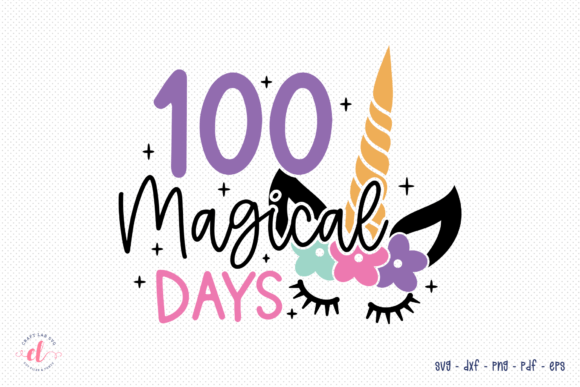
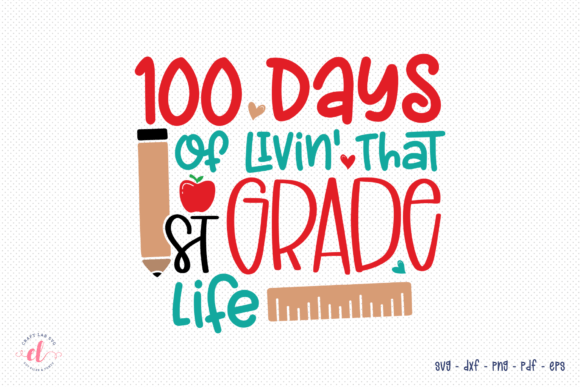
The moment you load this file, the mood is immediately established. It isn’t trying to be overly formal or stiff. Instead, it captures that chaotic, joyful energy of first grade. The typography feels hand-drawn and playful, which suggests a relaxed stitching approach rather than rigid, corporate precision. For an embroidery project, this is crucial. Designs that mimic handwriting often require careful attention to font weight and spacing to ensure they remain legible after the fabric puckers slightly during stitching.
The layout is balanced, giving the eye a clear path to follow. Whether you are using the standard color version or the bold black variant, the visual hierarchy holds up. The black version, in particular, offers a striking contrast that can work beautifully on light fabrics or as a negative-space effect on darker garments. It has a personality that says "fun" without sacrificing readability, which is a rare balance in digital embroidery files. It feels like a design meant to be worn and seen, not just stored in a folder.
Real-World Application: From Screen to Stitch
I recently considered using this design for a custom embroidered tote bag for a local elementary school’s 100th-day celebration event. The goal was to create a keepsake that parents would actually want to use, not just toss aside. Here is how 100 Days of Livin That 1st Grade Life performed in that hypothetical scenario.
On a canvas tote bag, the design shines. The sturdy fabric provides a stable foundation, allowing the stitches to sit flush without distortion. If this were a sweatshirt embroidery project, the placement on the chest or back pocket would offer excellent visibility. The phrase is long enough to make a statement but compact enough to fit within standard hoop sizes without requiring excessive digitizing adjustments. For baby embroidery items, such as a bib or a onesie, the smaller scale of the text ensures it doesn’t overwhelm the garment, making it a perfect personalized gift for new parents celebrating their child’s milestone.
This design also lends itself well to holiday embroidery contexts. While 100 Days of School is specific, the aesthetic fits perfectly into the fall semester craft season. Imagine this on a kitchen towel or a tea towel for a teacher appreciation gift. The casual vibe matches the homey feel of kitchen linens, creating a product that feels thoughtful and handmade. For an Etsy seller, this versatility means one digital file can generate multiple listings: a cap design, a pillow cover, or even an embroidered patch for denim jackets.
Where Caution Is Required
However, no design is flawless, and practical experience dictates where this file needs extra care. If you plan to stitch this on textured fabrics like terry cloth or heavy fleece, you must test the stitch density carefully. The intricate parts of the lettering might get lost in the nap of the fabric, reducing clarity. Similarly, if you attempt this on stretchy knit fabrics without proper stabilizer support, the tension could cause the design to pucker or warp, ruining the professional finish.
Small hoop sizes present another challenge. While the design is not excessively large, cramming it into a tiny hoop might force you to reduce the size to the point where the finer details become indistinguishable. I advise against placing this on curved surfaces like baseball caps unless you have significant experience with multi-hoop digitizing or flexible backing materials. The curves can distort the straight lines of the text, making it look uneven. Additionally, if you are printing printable mockups to sell this as a digital product, ensure your lighting highlights the texture of the stitches so buyers understand the depth of the final product.
Technical Considerations for the Designer
Before committing to production, there are several technical checks every embroiderer should perform. First, always test the design on scrap fabric that matches your final material. This reveals how the satin stitch handles the edges and whether the fill stitch creates unwanted bulk. Check the thread colors against your fabric background; high contrast is key for legibility, especially with the black version on dark materials.
Inspect the small details closely. In digital graphics, thin lines look sharp, but in embroidery, they may merge together. If the design relies on fine running stitch accents, ensure your machine can handle the precision required. Review the stitch density to prevent fabric damage; too many stitches in one area can lead to needle breakage or fabric tearing over time. Confirm the hoop size requirements early to avoid surprises during the actual stitching process.
For those selling finished products, consider the end-user experience. Will the item withstand frequent washing? Embroidered patches and custom apparel need to hold up to laundry cycles. Using proper stabilizer is non-negotiable here—it supports the fabric during stitching and helps the embroidery retain its shape post-wash. Also, verify licensing terms. Even though this is a graphic asset, commercial rights vary. Ensure you have permission to sell physical items made from this embroidery file, or if it is strictly for personal use, adjust your business model accordingly.
Final Verdict on Value and Appeal
100 Days of Livin That 1st Grade Life succeeds because it understands its audience. It speaks directly to parents, teachers, and kids who celebrate learning milestones. For the craft business owner, it offers a ready-made solution for a seasonal rush that requires minimal customization. The design assets are clean, and the visual appeal is strong enough to drive buyer engagement on platforms like Etsy.
It enhances brand consistency by offering a recognizable, fun aesthetic that aligns with educational themes. Customers trust designs that look professionally executed, and this file provides a solid foundation for that professionalism. Whether you are creating a boutique product line or a simple handmade gift, this design adds value through its charm and relevance. It transforms a standard sewing project into a memorable keepsake.
In conclusion, this is a versatile and well-crafted digital embroidery file. It works best on stable fabrics, in moderate hoop sizes, and with careful attention to detail. Avoid stretching it beyond its limits on difficult materials. If you respect the technical nuances of machine embroidery, this design will serve you well in creating high-quality, desirable handmade products. It is a smart addition to any library of graphics aimed at the school-season market.