Trauma Queen Embroidery Design Review
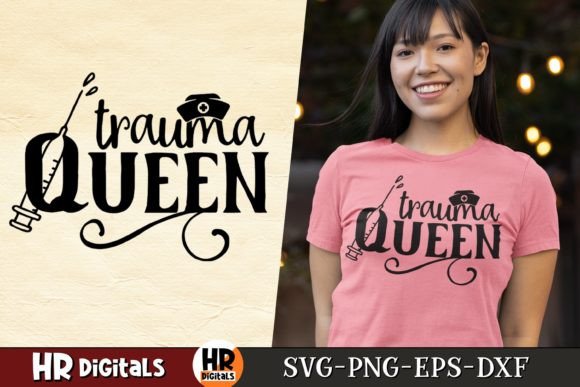
As a designer who spends more time troubleshooting stitch paths than drinking coffee, I approach every new digital asset with a healthy dose of skepticism. The market is saturated with clip art that looks great on a screen but falls apart under the needle. When I first pulled up Trauma Queen, Funny Nursing Humor, I wasn’t just looking for a cute quote; I was evaluating its viability as a commercial product and a meaningful personal gift. This SVG-based design targets the massive nursing community, leveraging humor to connect with nurses, nursing students, and medical staff. But does it translate well from vector space to thread?
First Impressions: Mood and Visual Personality
The immediate appeal of this design lies in its relatability. The phrase "Trauma Queen" taps into the specific, high-stress culture of emergency medicine and critical care. It’s not just generic medical humor; it’s a badge of honor for those who thrive in chaos. Visually, the layout appears bold and confident. For an embroidery project, confidence in lettering is everything. If the text is too thin or the kerning is off, the design will look amateurish when stitched.
In terms of visual personality, this design screams boutique casual. It fits perfectly into the aesthetic of modern handmade gifts. It’s playful without being childish, which makes it versatile. You aren’t limited to just scrubs; this design has enough edge to work on streetwear-inspired items like hoodies and denim jackets, yet remains appropriate for professional settings if placed correctly. The theme suggests a strong emotional connection with the recipient, which is a key driver for sales in the Crafts and Graphics categories.
Real-World Application: From Screen to Stitch
Let’s talk about where this design actually lives. I recently imagined using Trauma Queen, Funny Nursing Humor for a custom order for a friend graduating nursing school. The goal was a personalized gift that celebrated their achievement while acknowledging the intensity of their chosen field. I selected a heavy-weight cotton sweatshirt for the base material. Why? Because the weight of the fabric supports the structure of the embroidery without puckering.
When digitizing or preparing this file, I considered the placement. A centered chest logo is standard, but for a statement piece like this, a larger placement on the back or a vertical run down the side of a tote bag creates more impact. The design works exceptionally well as a tote bag design. Nurses are always carrying supplies, books, and laptops. A sturdy canvas tote featuring this quote becomes both a functional tool and a conversation starter at clinical rotations or shift changes.
I also see potential in embroidered patch applications. Many nurses prefer patches they can attach to bags or hats rather than committing to permanent garment embroidery. This allows for greater flexibility and reduces the risk of damaging delicate fabrics. Additionally, for holiday embroidery projects, this design serves as a perfect stocking stuffer or white elephant gift for coworkers. The humor breaks the ice, making it a safe yet fun choice for office exchanges.
Performance on Different Fabrics
The success of any machine embroidery design hinges on fabric selection. For Trauma Queen, Funny Nursing Humor, I recommend stable woven fabrics. Cotton blends, fleece, and canvas are ideal because they provide a solid foundation for the stitches. However, caution is required with stretchy knits. If you attempt to embroider this on a thin, stretchy t-shirt without proper stabilizer support, the tension will likely distort the text, causing the letters to warp or the spacing to shift.
Thread color contrast is another critical factor. On dark fabrics, such as navy blue scrubs or black hoodies, you will need a high-density underlay and potentially a foam underlay if you want a raised, puffy effect. This adds dimension and makes the white or light-colored threads pop against the dark background. Conversely, on light fabrics, you have more freedom with thread colors, allowing for creative palettes that match hospital branding or personal style preferences.
Technical Considerations for Designers
Before committing to production, there are several technical checks every Etsy seller or small shop product creator must perform. First, always test the design on scrap fabric. This allows you to inspect small details and ensure that the stitch density is appropriate. If the design includes fine lines or tiny text, you need to verify that these elements won’t merge together during stitching.
Check the hoop size requirements carefully. While the exact dimensions depend on your specific digitization, ensuring the design fits comfortably within your machine’s hoop prevents unnecessary trimming and reduces setup time. Also, review the stitch types. A mix of satin stitch for outlines and fill stitch for blocks of color typically yields the best results for text-heavy designs. If the design relies heavily on running stitch for detail, ensure the fabric can handle the lack of coverage without showing through.
Another crucial step is testing in black and white mockups. This helps you evaluate the balance and readability of the design independent of color distractions. If the design looks cluttered or unbalanced in grayscale, it will likely appear messy in full color. Use this technique to adjust thread choices or simplify elements before finalizing the digital embroidery file.
Risks and Areas for Careful Execution
Not every surface is suitable for this design. Avoid placing Trauma Queen, Funny Nursing Humor on curved surfaces like caps unless you have significant experience with cap hoops and specialized stabilizers. The curvature can cause distortion in the text, making it difficult to read. Similarly, textured fabrics like towels or bouclé wool can obscure the details of the embroidery, leading to a muddy finish.
Be mindful of dense stitch areas. If the design features large blocks of fill stitch, it can become stiff and uncomfortable to wear, especially on garments like baby clothes or lightweight shirts. In such cases, consider reducing the density or switching to a lighter stitch type to maintain comfort. Furthermore, if the finished product will undergo frequent washing, ensure that the stabilizer is fully removed and that the threads are of high quality to prevent fading or fraying over time.
Commercial Viability and Brand Consistency
From a business perspective, this design offers strong value. It appeals to a dedicated niche audience, which increases the likelihood of repeat customers and word-of-mouth referrals. For craft business owners, offering customization options—such as adding names, years, or specific unit logos alongside the main quote—can significantly increase the perceived value of the finished product.
Consistency in presentation is key. Whether you are selling on Etsy or running a standalone boutique, your photos should highlight the texture and quality of the embroidery. Show close-ups of the stitching to demonstrate craftsmanship. Use realistic models wearing the custom apparel to help potential buyers visualize how the design looks in everyday life. This builds trust and professionalism, setting your brand apart from mass-produced alternatives.
Final Verdict
Trauma Queen, Funny Nursing Humor is a robust and engaging design that bridges the gap between professional pride and lighthearted humor. It is well-suited for a variety of embroidery projects, from personalized gifts to commercial merchandise. By paying attention to fabric choice, stitch density, and proper stabilization, designers can create high-quality products that resonate with nurses and healthcare workers. Remember to check licensing terms before selling finished items, and always prioritize quality control to ensure customer satisfaction. This design is a strong addition to any design assets library aimed at the medical and healthcare sector.