You Are so Loved Valentine Cricut Review
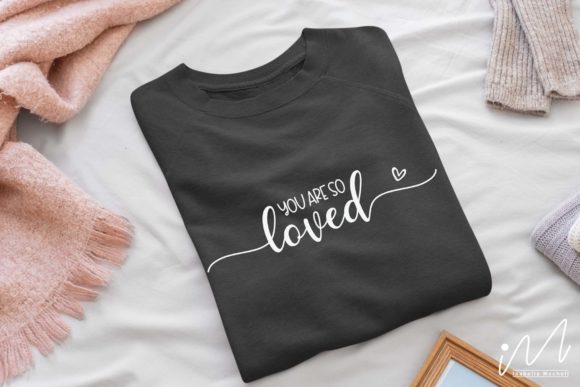
As a designer who spends half my life staring at stitch paths and the other half worrying about client expectations, I don’t just buy embroidery files because they look cute on a screen. I buy them because they translate well into thread. When I first pulled up You Are so Loved Valentine Cricut, my immediate reaction was less about the romance of the holiday and more about its structural integrity as a commercial asset. This isn’t just another generic heart; it’s a design with a specific voice—one that leans heavily into sentimentality without sacrificing legibility. For those of us running small shops or crafting personalized gifts for family, the difference between a "nice" design and a "sellable" one often comes down to how it handles the transition from digital vector to physical fabric.
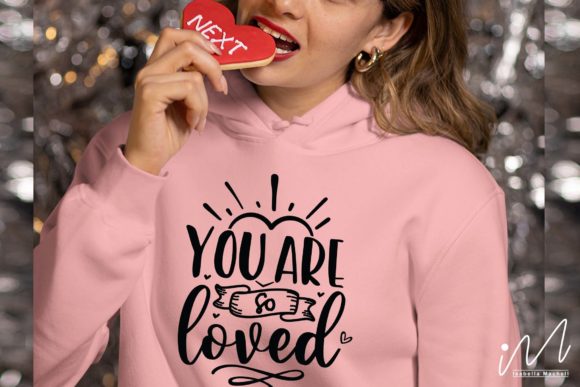
The mood created by this design is warm, reassuring, and distinctly modern. It avoids the cluttered, overly ornate style that plagues so many Valentine’s Day graphics. Instead, it offers a clean, confident statement. The quote “You Are So Loved” is central, acting as both the visual anchor and the emotional hook. In my experience, typography-heavy designs are risky in machine embroidery. If the kerning is off or the letterforms are too thin, you end up with a mess of thread breaks and tangled stabilizer. However, this file appears to strike a balance that suggests it was built with production in mind. It feels like a tote bag design waiting to happen, or perhaps a soft touch sweatshirt embroidery piece for a boutique brand.
Real-World Application: From Screen to Stitch
Let’s talk about where this embroidery project actually shines. I recently imagined using this for a batch of custom baby onesies and nursery wall hangings. The phrase “You Are So Loved” carries a weight that resonates deeply with new parents. It’s not just decorative; it’s a message. When I visualize this stitched onto a cream-colored muslin blanket or a pastel pink cap, the emotional payoff is high. Customers aren’t just buying a hat; they are buying a affirmation. This makes it an excellent candidate for personalized gift markets, particularly around holidays like Valentine’s Day, Mother’s Day, or baby showers.
For the Etsy seller or small business owner, versatility is currency. This design works beautifully as a standalone text piece, but it also has the potential to be layered. Imagine it paired with simple satin stitch hearts or delicate floral accents. The clean lines allow for creative freedom in how you build the final composition. Whether you are creating commercial embroidery assets for a larger manufacturer or hand-stitching unique pieces for a craft fair, the core design holds up. It doesn’t feel dated, which is crucial for products that need to remain relevant beyond a single season.
Technical Considerations for Embroidery Designers
While the aesthetic is strong, any experienced embroiderer knows that beauty lies in the execution. Before committing this embroidery file to a final product, there are several technical checkpoints I always recommend. First, consider the stitch density. Text-based designs can sometimes suffer from poor coverage if the fill stitch isn’t optimized. You want to ensure that the background of the letters (if applicable) or the spacing between characters allows the fabric to show through slightly, preventing that bulky, stiff ridge that ruins the drape of a garment.
Another critical factor is the hoop size. While the source files (SVG, DXF, EPS) are scalable, your physical hoop is not. If you are placing this on a standard 4x4 inch area, you need to verify that the text remains legible. Tiny lettering is the enemy of quick, clean stitching. If the details become too small, you risk thread breaks and a frustrated customer. I advise testing the design at its intended final size on scrap fabric before running a full production batch. This simple step can save you hours of troubleshooting.
Furthermore, think about the thread colors and fabric texture. On a dark fabric, you will need a heavy underlay to make the colors pop. On a textured fabric like denim or waffle knit, fine details might get lost. A smooth cotton or polyester blend usually provides the best canvas for this type of graphic. If you are using this as an applique design, the contrast between the base fabric and the applique material becomes even more important. The visual appeal relies heavily on that sharp distinction.
Where to Use Carefully
No design is perfect for every surface. There are certain scenarios where You Are so Loved Valentine Cricut might struggle. Avoid placing this on highly curved surfaces like the front of a baseball cap unless you have significant digitizing experience. Curvature distorts text, and you don’t want a heartfelt message reading sideways or stretched. Similarly, thin fabrics like silk or sheer chiffon require specialized stabilizers and potentially a lower stitch count to prevent puckering. If the design is dense, it might tear through delicate materials.
Also, consider the washing durability. If this is for a custom apparel item that will see frequent laundering, such as a kitchen towel or a daily wear tote, ensure the stitches are secure. Loose ends or poorly anchored start/stop points can lead to unraveling over time. For these items, a simpler, bolder version of the design might be more practical than a intricate one. Remember, functionality is part of the value proposition for your customers.
Commercial Viability and Brand Consistency
From a branding perspective, this design fits seamlessly into a lifestyle-oriented shop. It supports a narrative of care, love, and comfort. For the craft business owner, consistency is key. If your brand voice is gentle and supportive, this design aligns perfectly. It enhances handmade presentation by adding a professional, polished touch to your finished product. When a customer receives a package containing a well-executed embroidered item with a meaningful quote, their trust in your brand increases. They see attention to detail.
However, always double-check the licensing terms. Even though the product description mentions receiving SVG, DXF, and EPS files, it does not explicitly state commercial usage rights for the embroidery output. As a responsible creator, you must confirm whether you are allowed to sell finished goods made from this design. Selling digital product previews is generally safe, but selling the physical item requires explicit permission. Don’t assume; read the fine print.
Final Thoughts on Visual Appeal
In conclusion, You Are so Loved Valentine Cricut is a solid addition to any designer’s library. It balances emotional resonance with practical design principles. It works well for holiday embroidery, baby embroidery, and general personalized products. Its strength lies in its clarity and its ability to convey a strong message without visual noise. For the maker who values both aesthetics and efficiency, this file offers a reliable foundation for creating high-quality, desirable items.
Whether you are stitching your first patch or scaling up your small shop product line, taking the time to test and refine how this design interacts with your materials will pay off. Treat it not just as a graphic, but as a functional component of your manufacturing process. With the right setup—proper stabilizer, correct thread tension, and careful placement—you can turn this simple quote into a memorable, keepsake-quality item that customers will cherish. That is the mark of a successful embroidery design.